
A day in the life: The people we’ve met and places we’ve been – Part 2
Host: NKL Contracting
Written by Kayde Jayne Lehman – Owner, NKL Contracting.
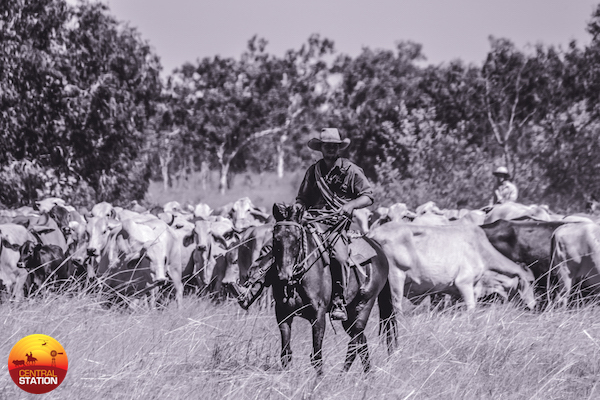 Mustering the river on Legune Station in N.T always pulled out a few cleanskins. This particular muster was about a 12km walk back to the panel yards we had set up the day before where they would be drafted, processed and steadied out.
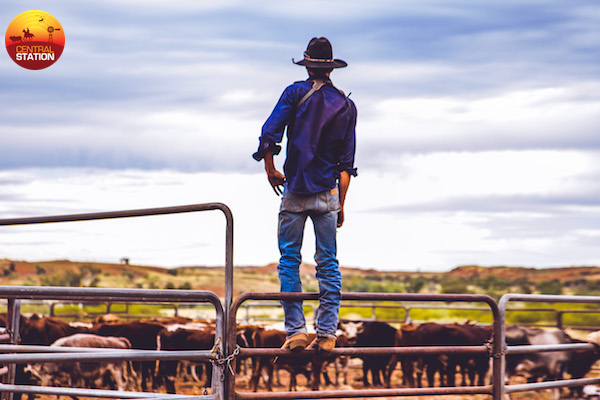 After walking the same mob of cattle all day you quickly learn to keep your eye out on the cheeky ones that keep trying to escape. Brett doing a quick scan of the yard to make sure all the cleanskins had been yarded. Noreena Downs Station, Pilbara.
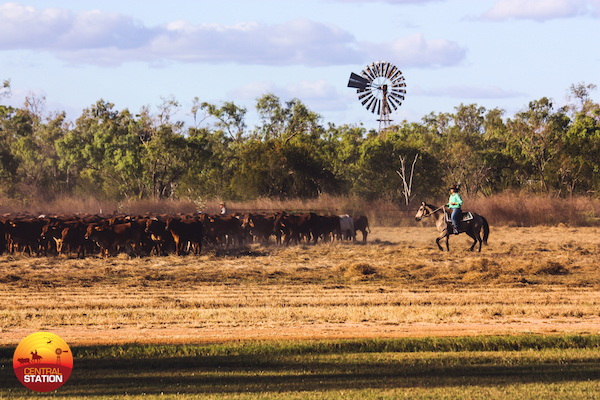 Vanrook Station’s helicopter pilot Erin swapping her chopper for the saddle to walk out a mob of heifers to their paddock. In 2007 after working in contract camps, droving, and running a station crew, Erin landed her chopper licence and after a stint in N.T she started flying at Vanrook.
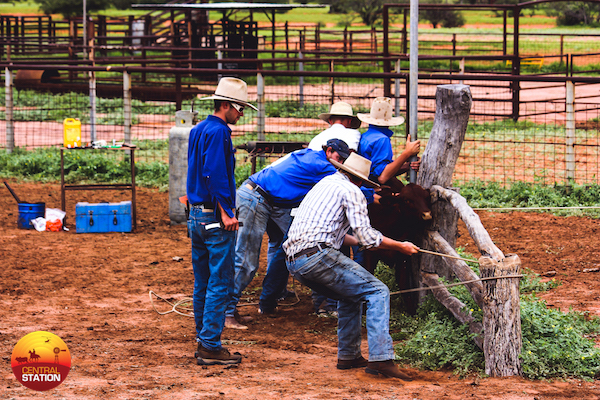 Unlike a lot of properties in the Channel Country we usually branded calves in a cradle. Bronco branding was left to the days we had plenty of time of our hands and small numbers. Naryilco Station, South West Queensland.
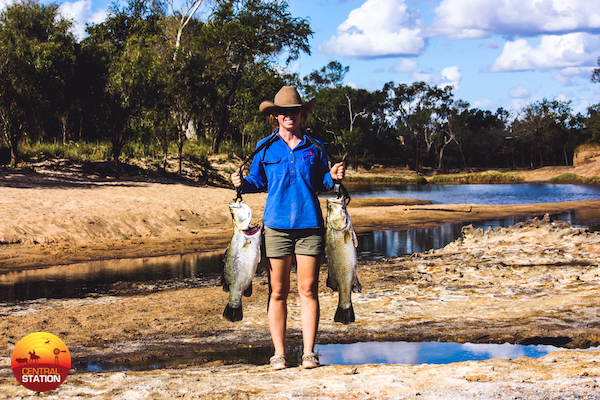 Time well wasted on Vanrook Creek. Usually one to give up when the fish aren’t biting, I couldn’t go home until I had outdone the rest of the crew’s catches with these beauties.
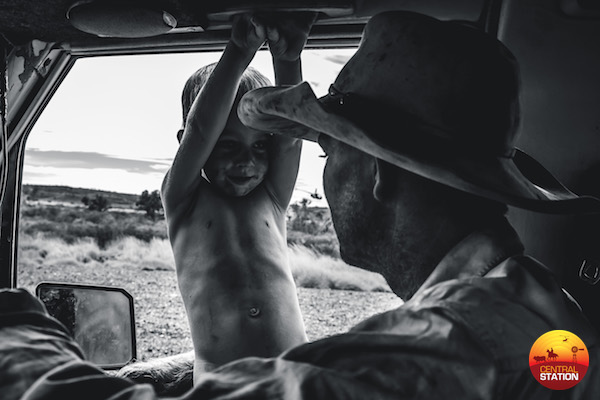 No shoes, no shirt, no problem. In the catcher with dad waiting for the chopper to push out a cheeky bull only a few kilometres from the yards. Noreena Downs Station, Pilbara.
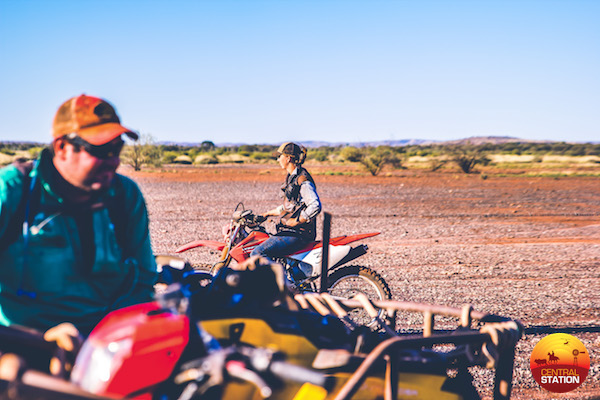 Some days there are too many miles to walk and not enough hours. One of our right hand girls Claire overseeing the cattle are settled properly before leaving them in the overnight holding paddock. Noreena Downs Station, Pilbara.
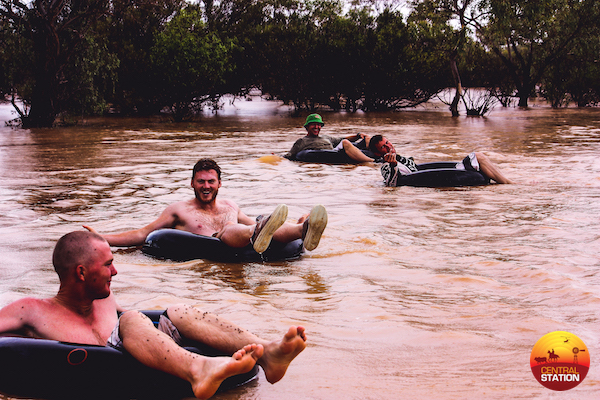 Making the most of the floods in the channel country. That year Naryilco Station had received record rain with February copping more than twice their annual rainfall.
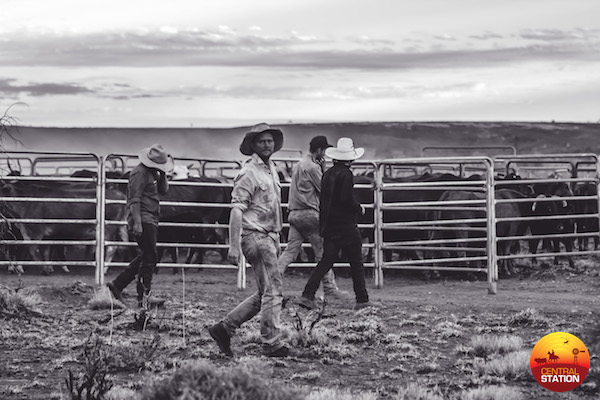 After a full days mustering into a set of panel yards on Noreena Downs Station, Nat and the crew hook up a water trough and check to make sure the panels are pinned properly so the cattle won’t push through them overnight.
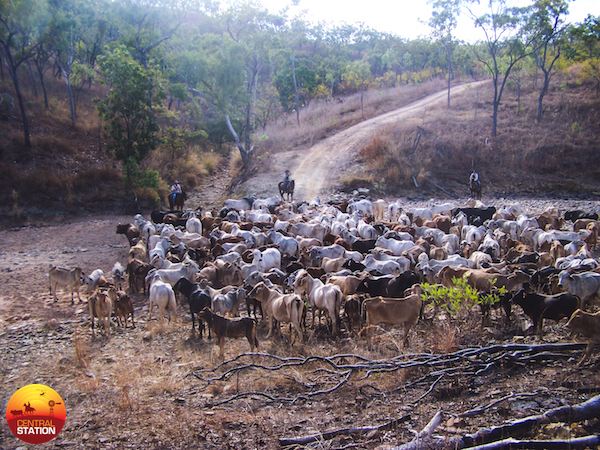 Located in the ranges of North Queensland, Bellevue Station had some tough land to muster making it a prime hiding spot for cleanskins. Holding up in creek beds like this was an easy way and open spot to run cleanskins into the mob.
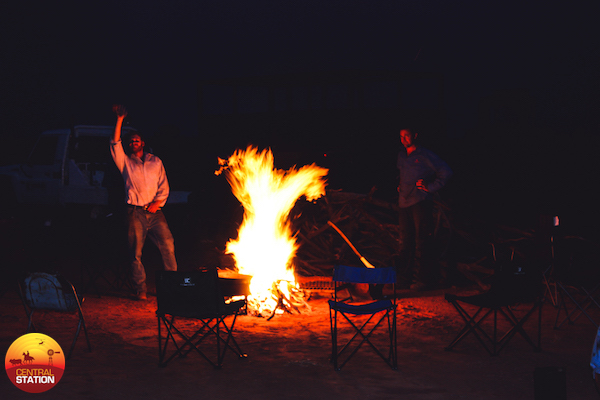 Camping out will always be a favourite part of living the life we do. Zero technology and late night camp fires always bring out some good yarns and when the only comfort you have is a swag, there is nothing pulling you away from the fire.
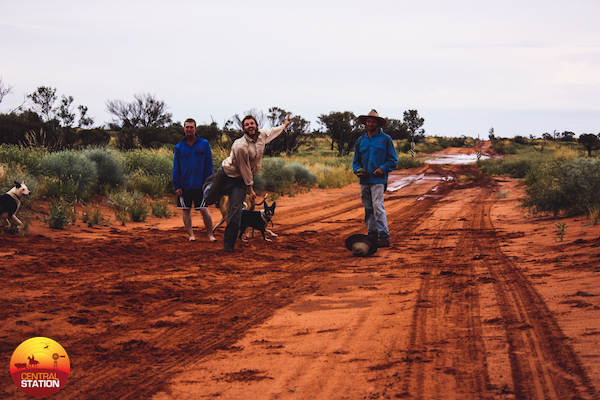 A quick game of paddy melon cricket while we wait for the truck to make sure it gets through the boggy patch of road. Winter rain on Naryilco Station.
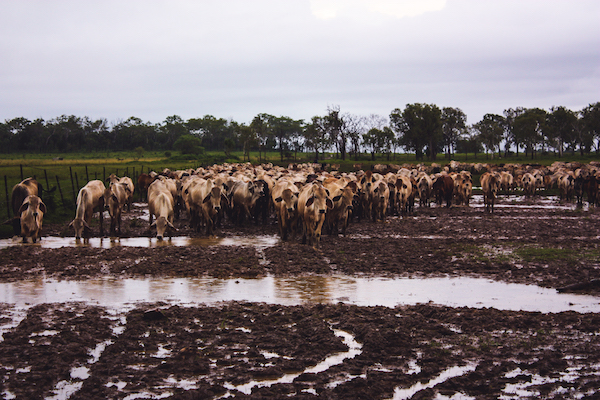 Mustering on La Belle Downs Station in the wet season. Owned by RM Williams at the time, the majority of La Belle Downs is floodplain country and boat cattle are usually held there to be easily trucked to Darwin for export.
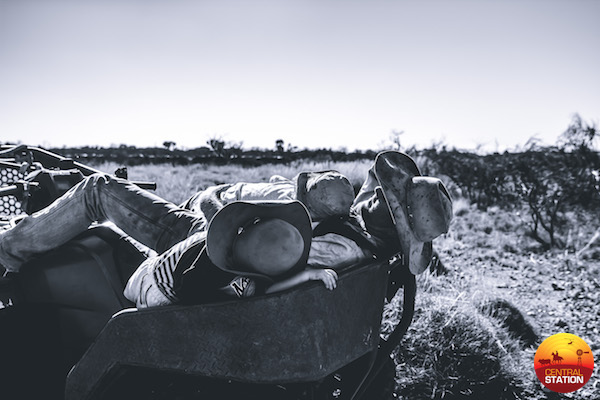 It’s a hard life when it’s nap time but you are busy at work. Our boys having a sneaky nap while we wait for the chopper to muster in some more cattle from the hills.
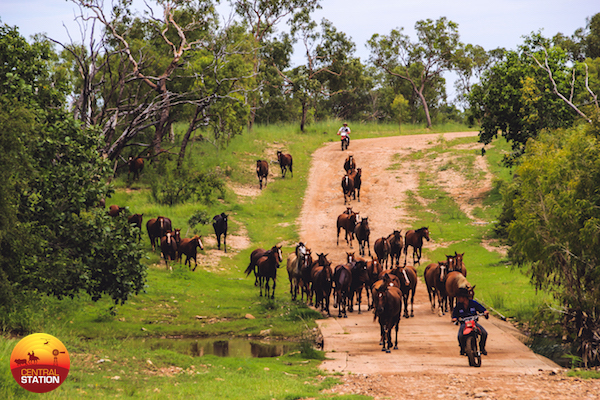 Running in horses on Montejinni Station to draft up ready for the season. This usually gets done about a month before mustering so any young one’s have time to get broken in and go straight into work.
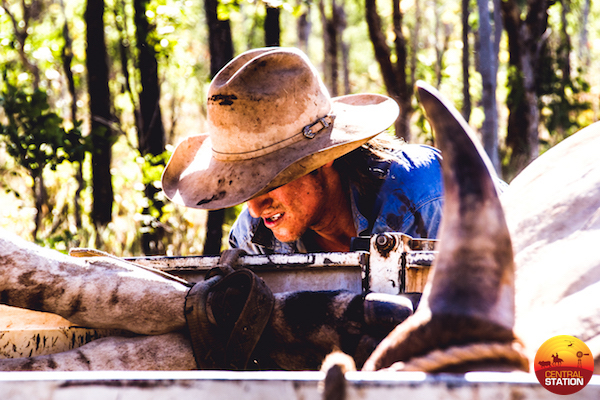 Picking up some cleanskins on Tipperary Station N.T that had been tied up during the muster. Cleanskins get tied up when they run away from the mob and can’t be bought back. They are then picked up by a truck and taken to the yards where the rest of the mob have been mustered to.
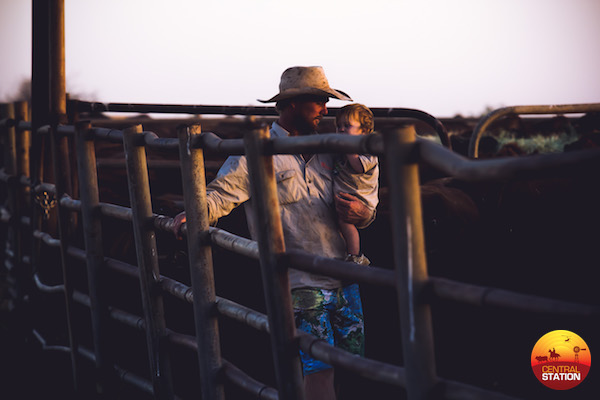 Jace learning the ropes on his first birthday. You are never too young to cut haystrings. Minilya Station, W.A.
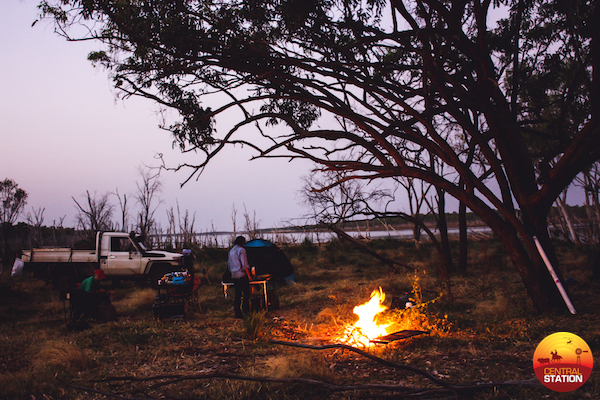 Camped out on Lake Argyle near Kunnunurra in Western Australian, we spent ten days with the DPI crew poisoning rubber vine. Rubber vine is a fast spreading weed that threatens to choke our waterways and pastures. Any sightings of rubber vine around the Kimberley region were reported to the DPI who recorded the co-ordinates and sent out teams to poison the trees and search the river systems for any new signs of the weed.